
History of A.H. Heisey & Company
The stunning handmade glassware filling the shelves of the Heisey Glass Museum was produced between 1896 and 1957 in Newark, Ohio.
Its story begins with Augustus H. Heisey, who at age 19 began his career in the glass industry as a clerk. He eventually rose to found his own glass company, one that produced what many believe is the highest quality glassware made in America. From its early beginnings, the company focused on producing high quality glass that families would be proud to own and use, bringing in expert designers and craftspeople to create new and often innovative products, and adapting to changing tastes.
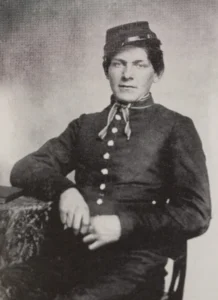
Born in Hanover, Germany, in 1842, Heisey emigrated to the United States as an infant. While still a child, his father died and his mother returned to Germany, but young Augustus remained in Pennsylvania with his older sister.
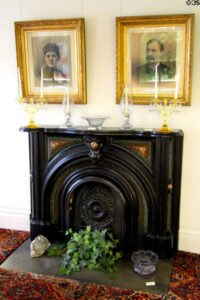
A.H. Heisey returned to the King company, but soon left to work for Ripley and Company glassworks, entering as a shipping clerk and working his way up to becoming one of the best salesmen on the road. Meanwhile, George Duncan, who was to become Heisey’s father-in-law, purchased shares in Ripley and Company from two of its founders in 1867, and eventually became the sole owner.
Heisey had the good fortune of marrying Susan Duncan in 1870, setting the stage for his eventual leadership role in her father’s glass business. When George Duncan became sole owner of the firm in 1874, he deeded one-half interest in Ripley to his son, James, and daughter Susan. He then renamed it George Duncan & Sons – the sons being James and son-in-law Augustus.
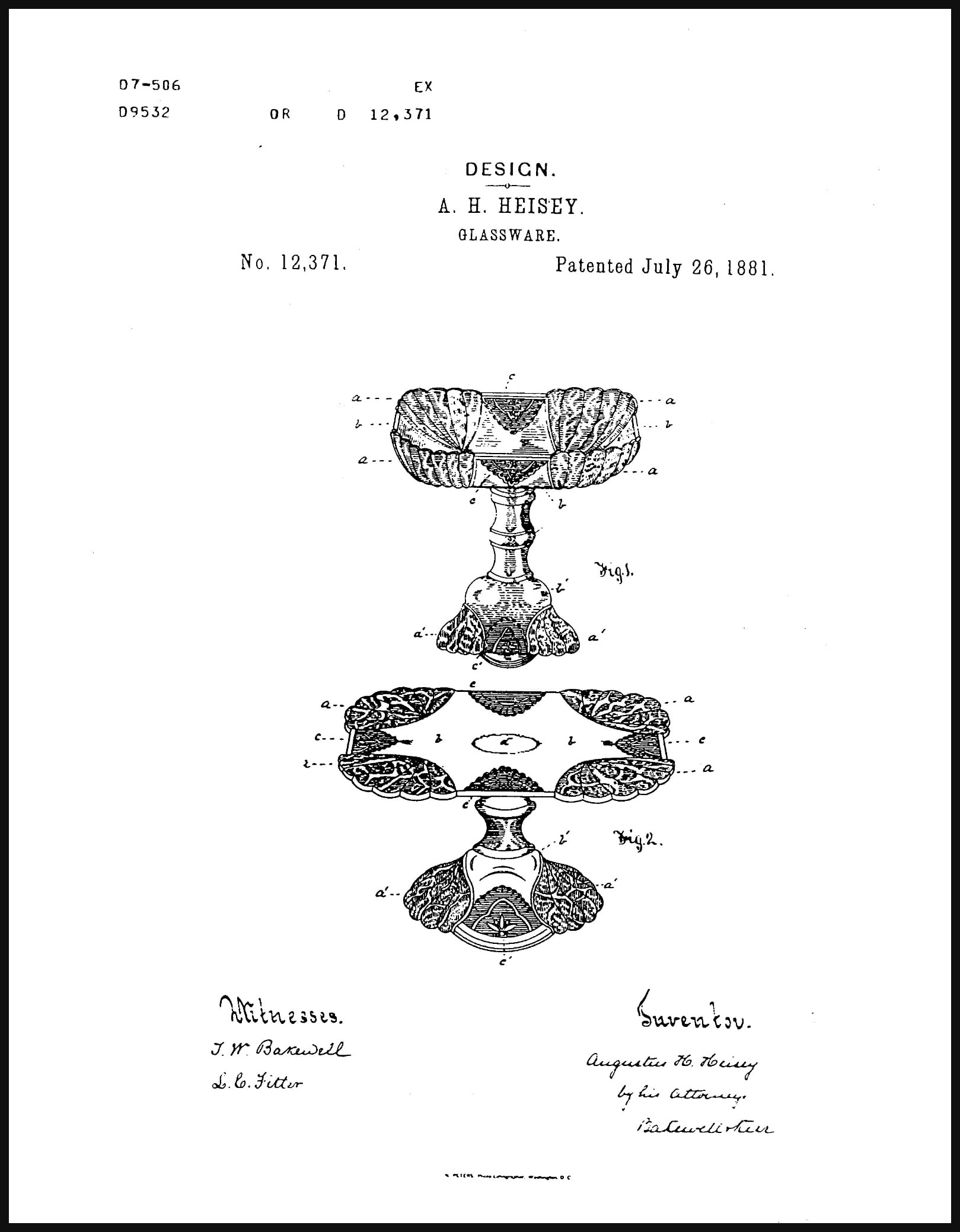
After George Duncan died in 1877, James and Augustus continued to run the family business and purchased the remaining one-half interest. During these years, it became clear that Heisey’s interests in the glass business had broadened. He was named in 10 mechanical and design patents – both individually and with others. His design for No. 555 Shell and Tassel became the most well-known pattern produced by George Duncan & Sons.
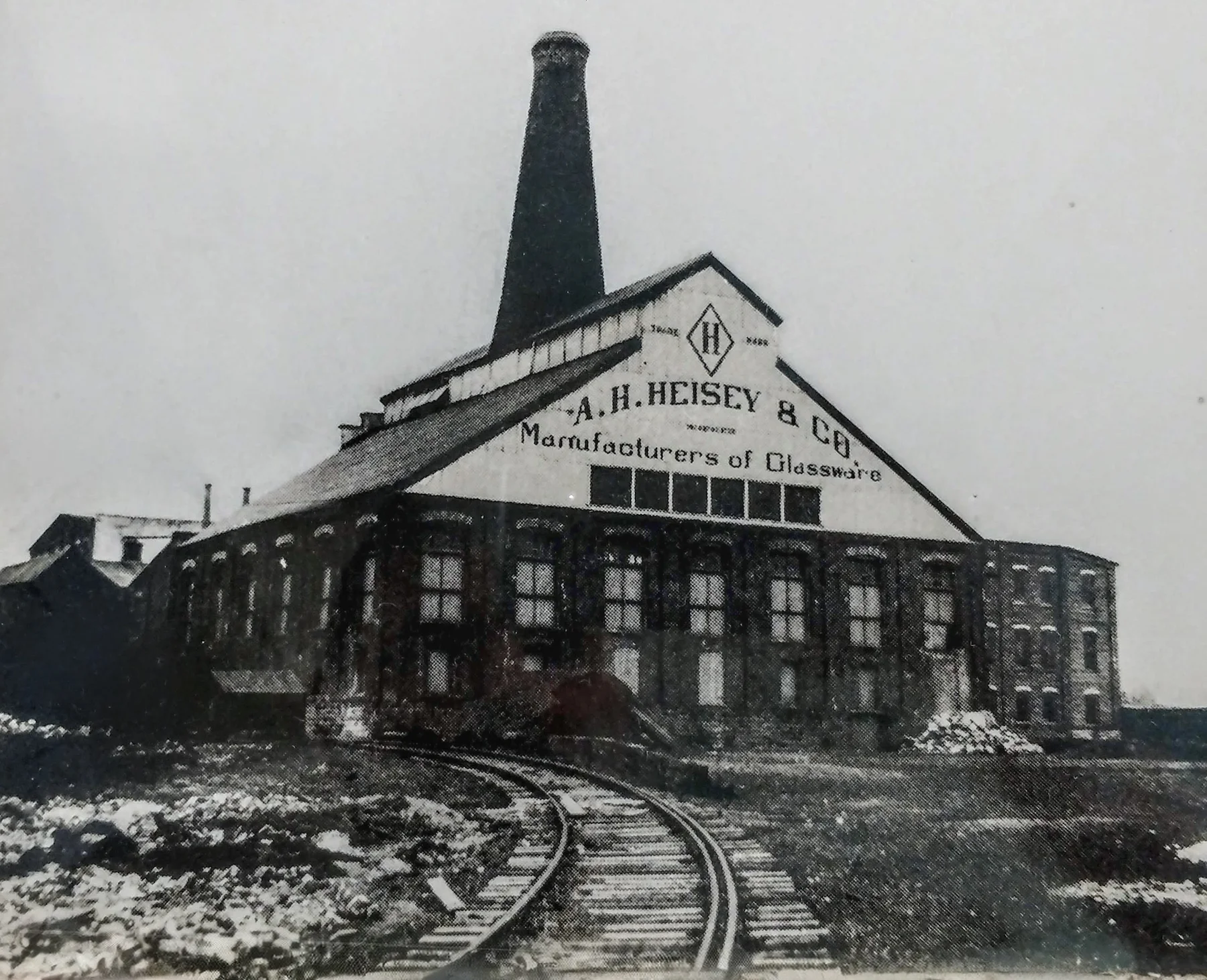
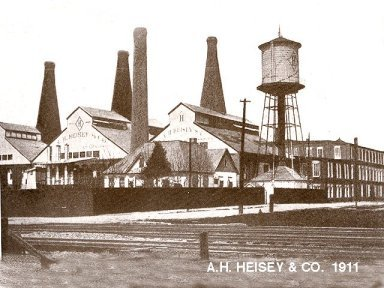
Heisey headed back East and began talks with city leaders in Newark, Ohio, about the possibility of building a glass factory there. The area had the resources needed for glassmaking: fine sand and abundant water; coal, oil, and natural gas to power the furnaces; and railroads to transport raw materials and the finished product. After Heisey finalized a deal with the city, construction of the factory began in August of that year, but a serious construction accident delayed the project.
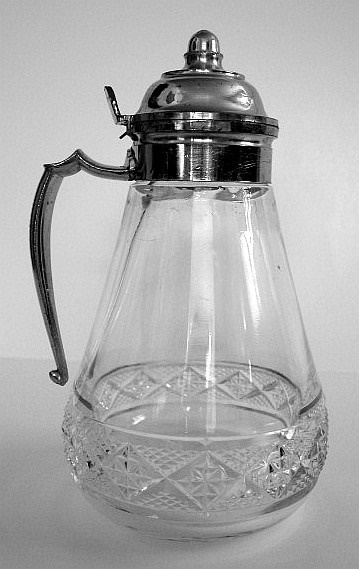
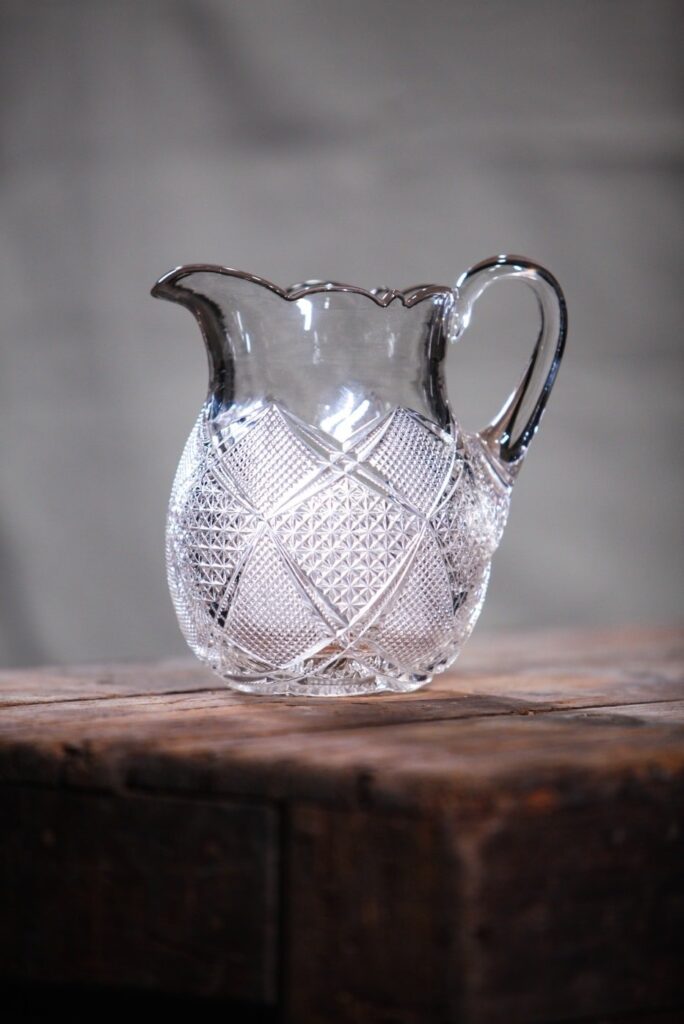
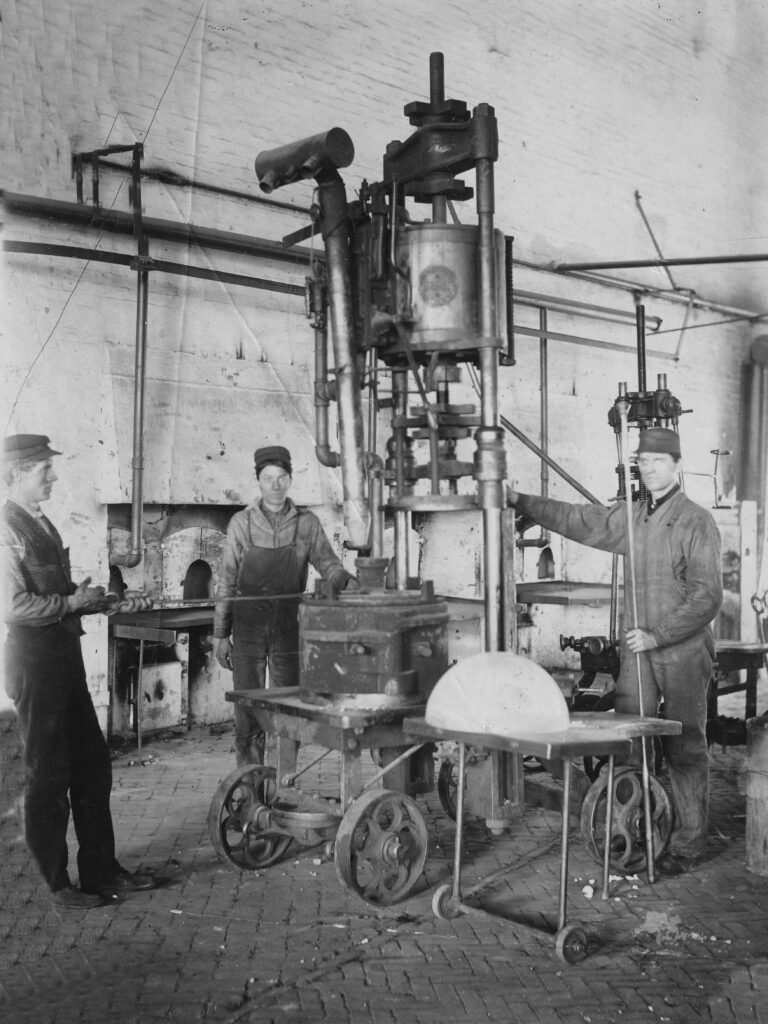
Heisey began advertising two pressed glass patterns in January 1896, No. 1200 Cut Block and No. 1201 Fandango in Crystal, Heisey’s name for its clear, colorless glass. These and other early patterns were designed to imitate the cut glass of the period, but were more affordable for the growing middle class. The factory was not yet complete, so samples were made at a glass factory in Zanesville, Ohio.
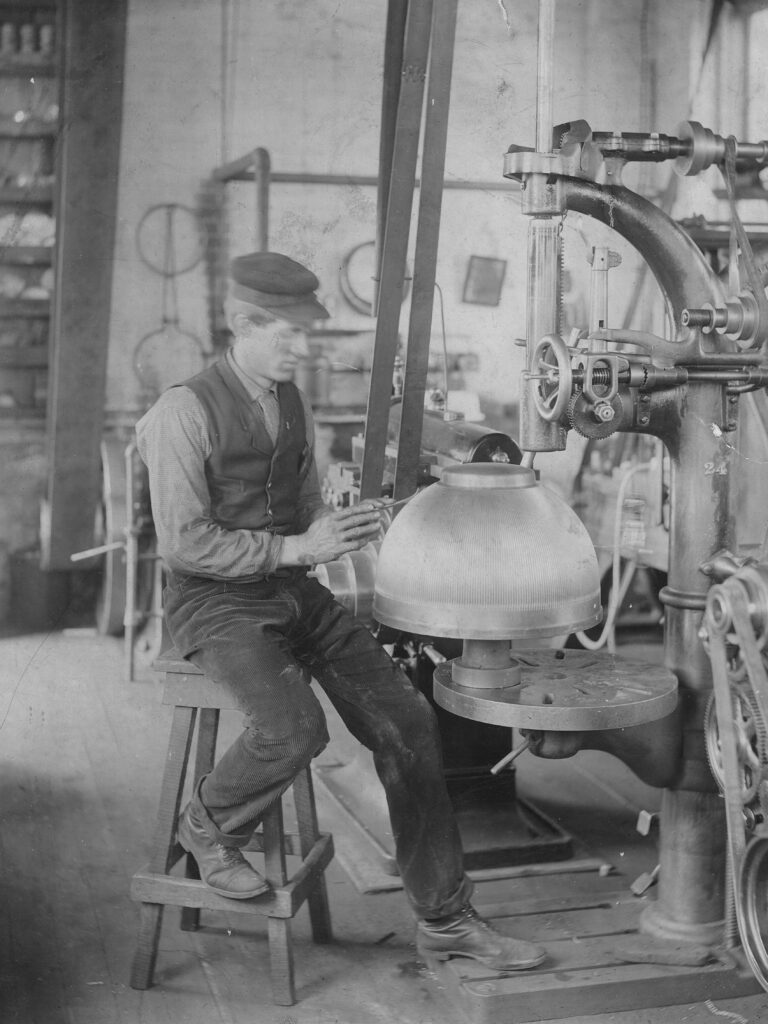
In April the newly completed factory in Newark began production with up to 210 employees.
A. H. Heisey & Company was formally incorporated. Among the original shareholders were Heisey’s two oldest sons, George Duncan Heisey and E. Wilson Heisey.
Heisey filed for the company’s first two design patents for the No. 1225 Plain Band cream and spoon holder. Hundreds of patents were to follow.
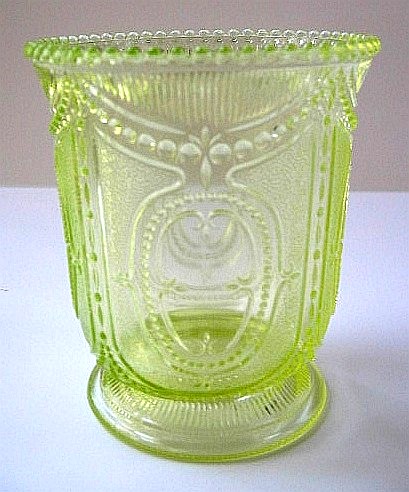
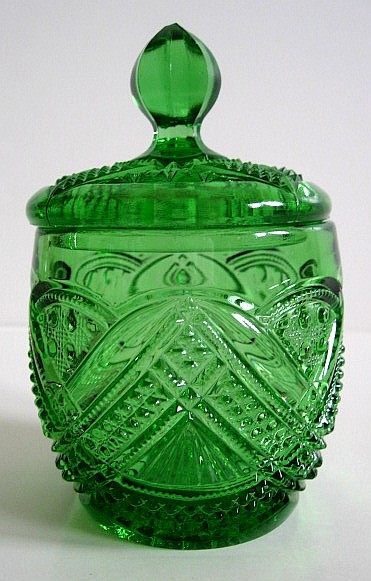
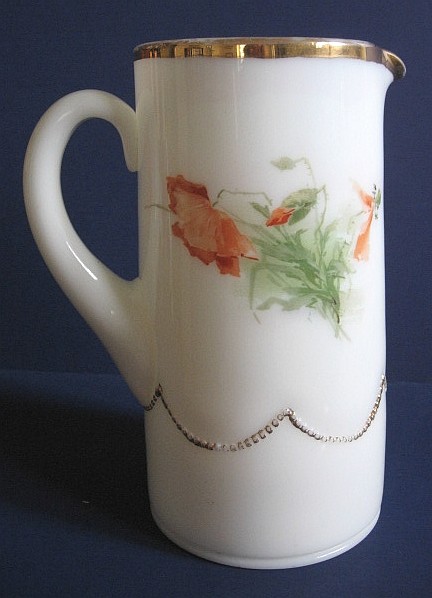
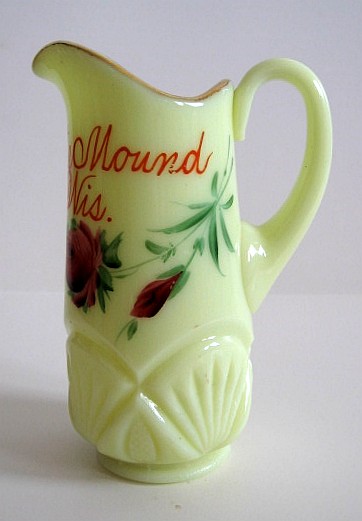
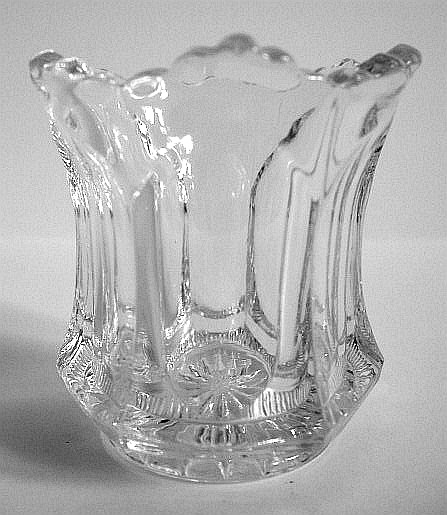
The company began producing its first color, Canary, also known as Vaseline, in 1897. Opal, Ivorina Verde or Custard, and Emerald followed in 1899. New pressed glass patterns were introduced regularly during this time.
Heisey introduced its first Colonial pattern, No. 300 Peerless, a line with 150 pieces, in 1899 These simple pieces with clean lines were a contrast to the more elaborate designs of pressed glass. Colonial style glassware remained in production throughout the company’s existence.
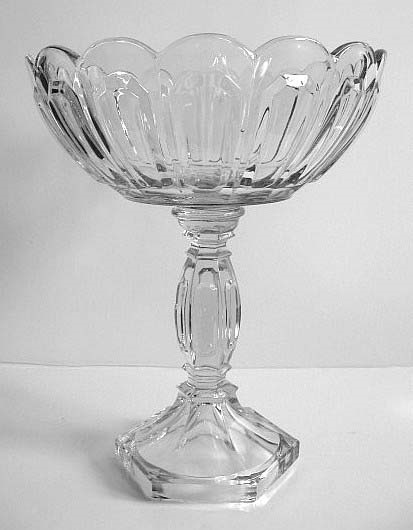
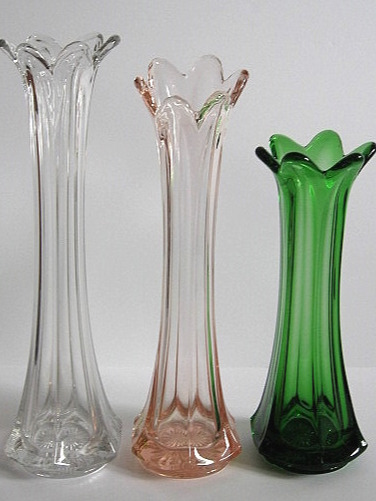
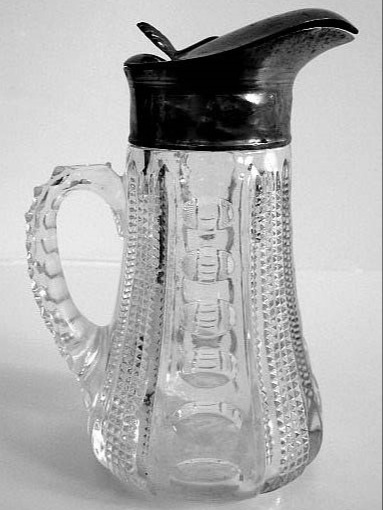
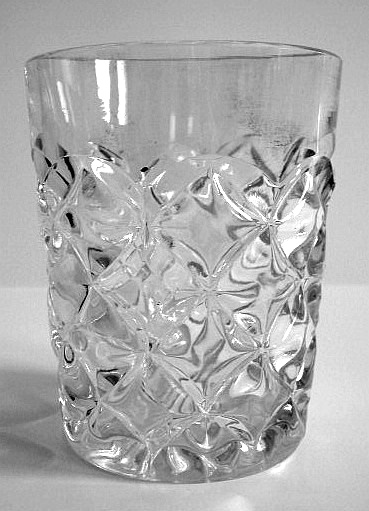
Heisey’s Diamond H trademark appeared for the first time in an advertisement in 1900. Created by George Duncan Heisey, it was inspired by the diamond shape of his college fraternity symbol. Heisey became the first glass company to mark its glass with a trademark.
Midway through this decade, the United States suffered a severe financial crisis with the collapse of banks across the country, yet A.H. Heisey & Company prospered.
The company continued to introduce new patterns and expand its capacity. It built a large addition to the factory in 1905, added 300 employees, and doubled its output.
The company recognized the importance of rewarding employees and began distributing monetary rewards for exceptional work and attendance. This apparent recognition of the value of good employees is likely one of the reasons Heisey appears to have had good relations with its workforce and few labor problems.
A new color, Rose, was produced for a short time during this period. Examples are most often found in the No. 325 Pillows pattern.
The company produced the first of many candlesticks, the No. 1 Georgian.
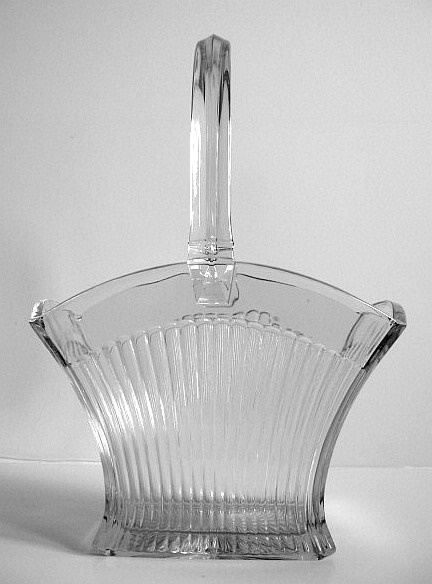
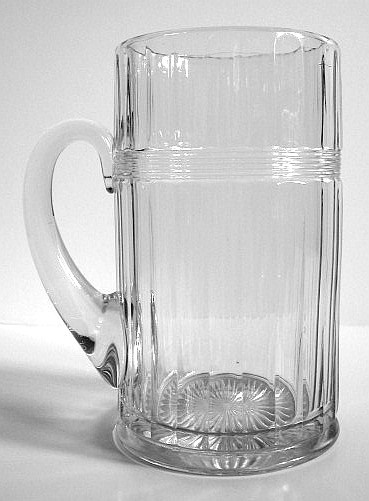
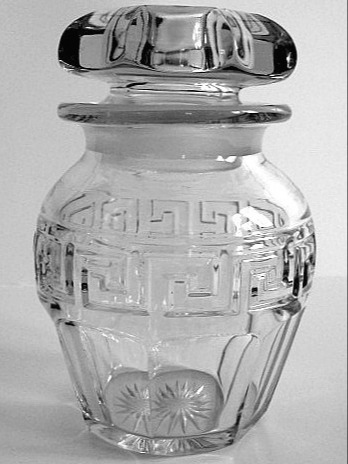
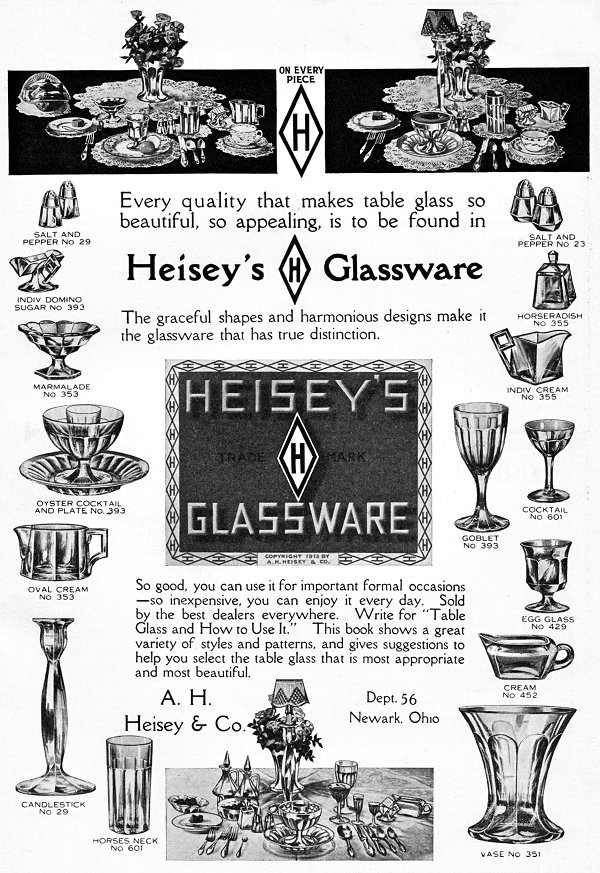
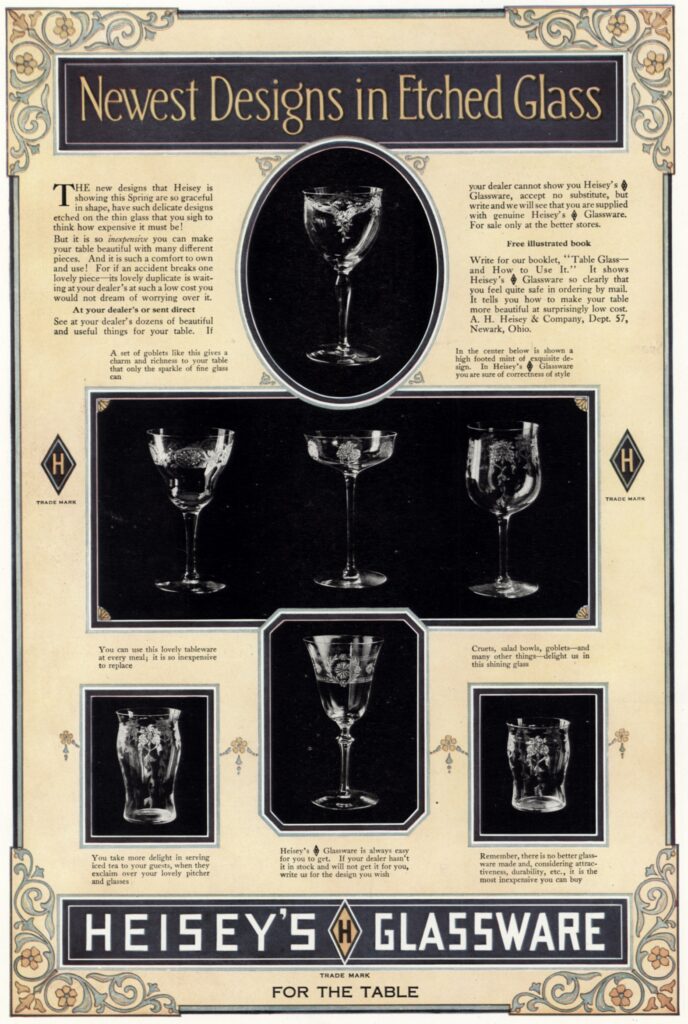
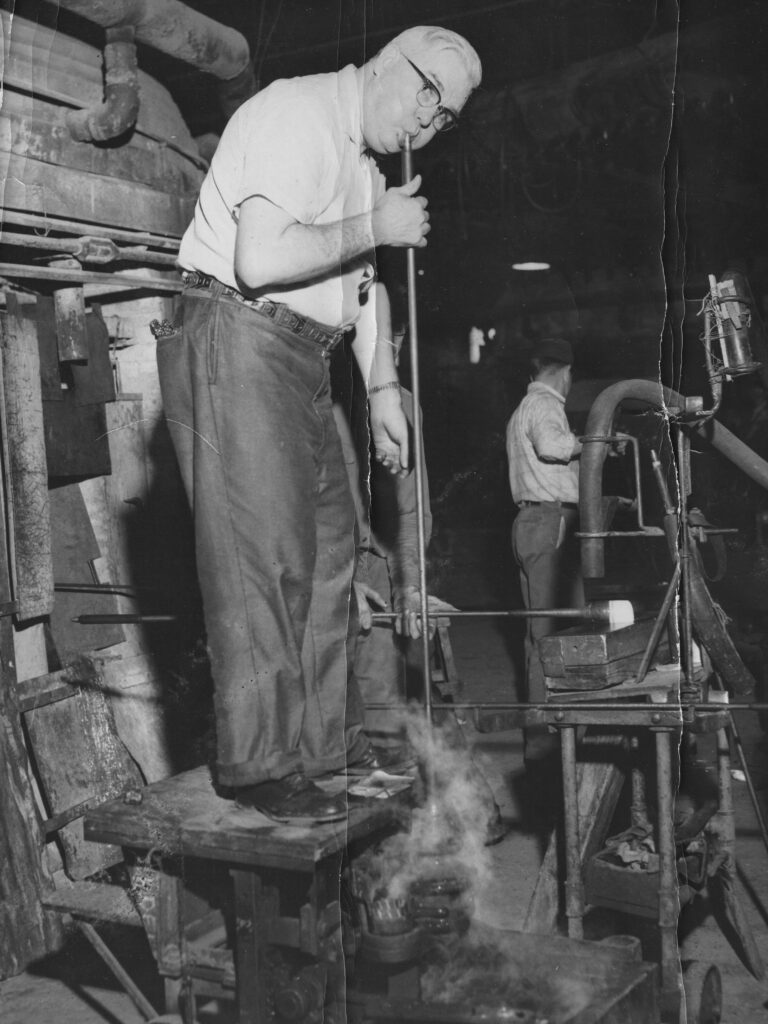
Colonial styles in Crystal dominated this decade. Many different patterns were designed, offering many variations on the simple flutes and panels of the style. A favorite of collectors today, the No. 433 Greek Key pattern combined panels with a band of the Greek key motif.
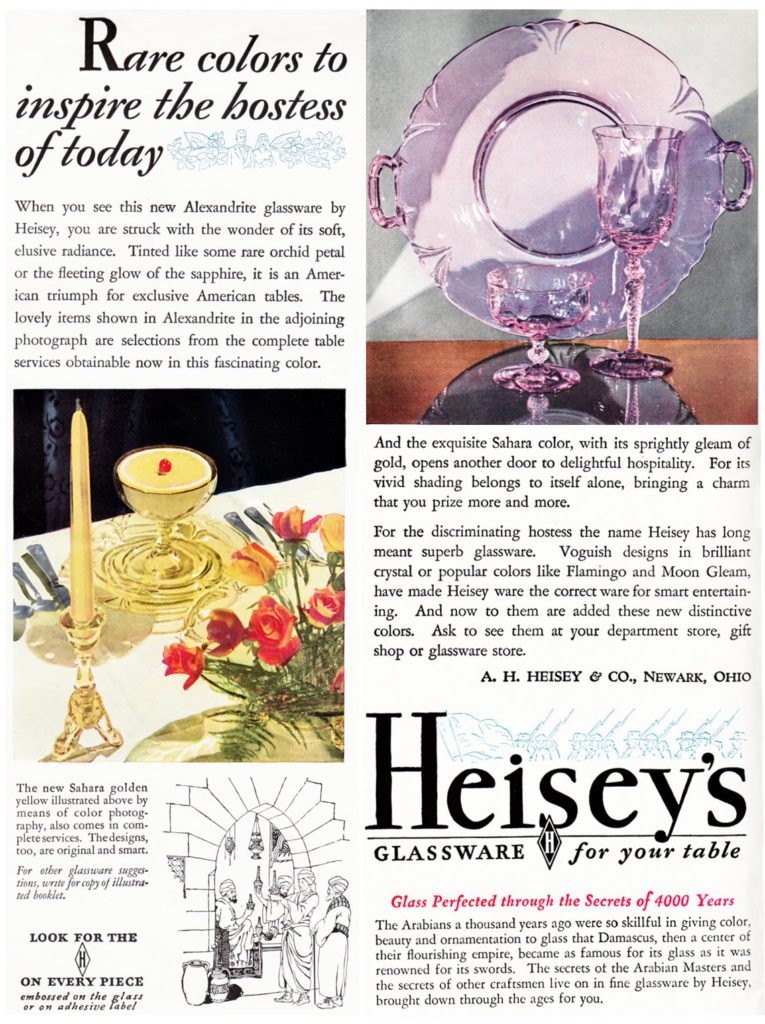
The company began its first advertising campaigns directed to the general public instead of merchants. It placed more than 100 advertisements a year in popular magazines, and created a free booklet, Table Glass and How to Use It.
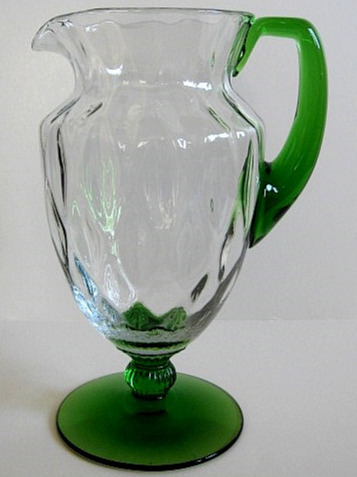
Heisey began making blownware in 1914 and became the first glassworks to create stemware combining blown bowls with fancy pressed stems.
The company introduced simple cuttings and etchings, and began selling glass “blanks” to other companies to decorate.
E. Wilson Heisey became president of the firm, and it’s likely that T. Clarence Heisey, third son of Augustus and Susan, joined the firm at this time. A. H. Heisey became chairman of the board.
The company expanded the factory again.
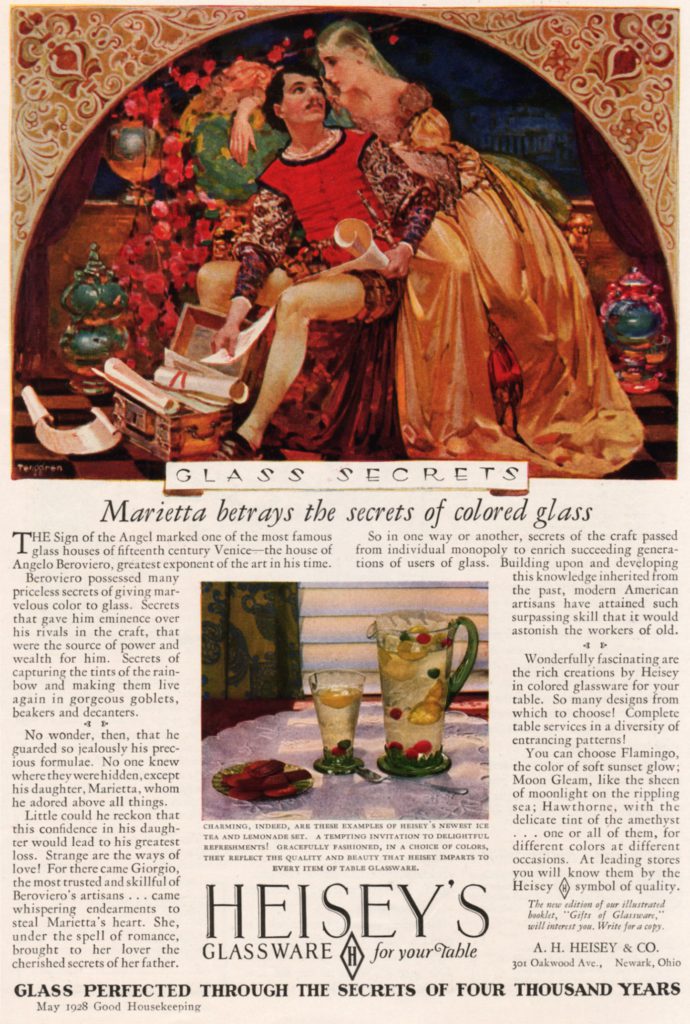
A.H. Heisey died in 1922 at age 79 and his son, E. Wilson Heisey, assumed control of the company. E. Wilson had studied chemistry at Jefferson College in Pennsylvania and worked with the company’s chemist, Emmett Olson, to develop the formulas to produce colored glass.
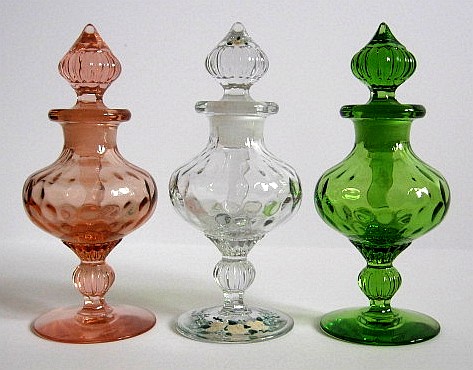
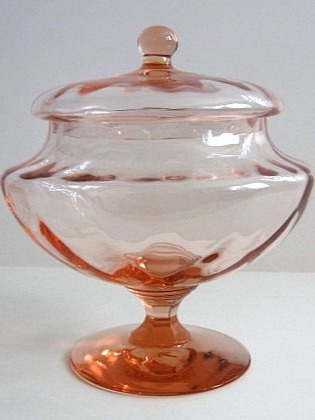
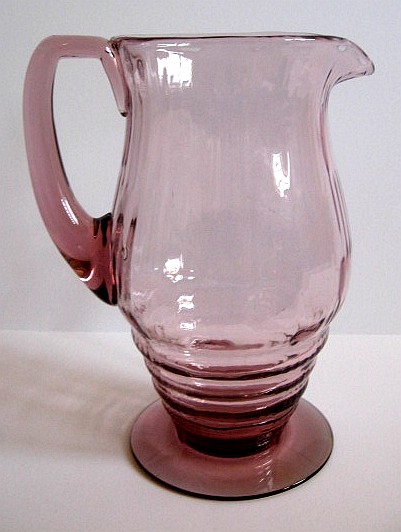
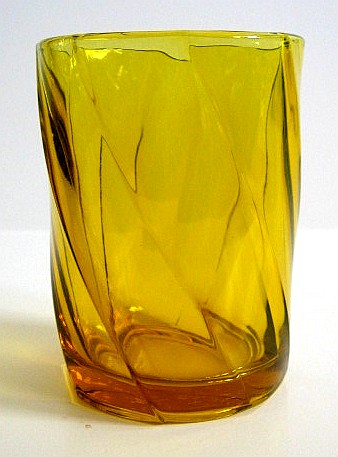
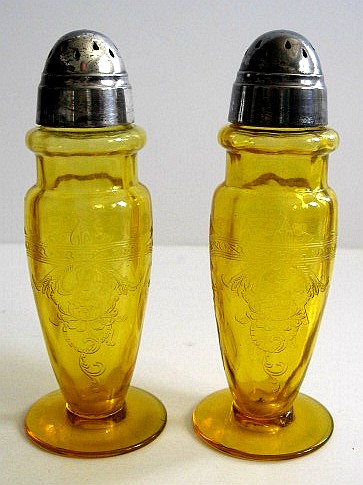
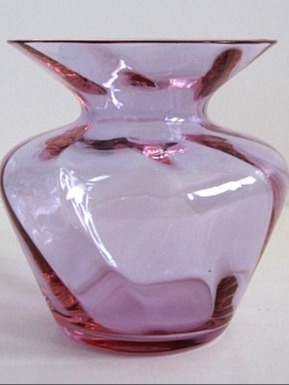
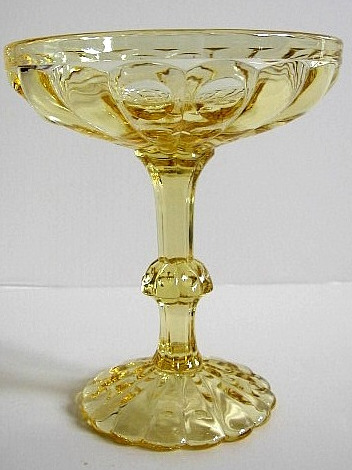
During this period, colored glass was popular with the public, and the company focused on developing and perfecting it. Flamingo (pink) and Moongleam (green) were introduced in 1925, Amber in 1926, Hawthorne (amethyst) in 1927, Marigold in 1929, Sahara (yellow) and Alexandrite (lavender) in 1930. It produced fewer new glass patterns and closed its small cutting department.
One of the most popular patterns of this decade, No. 1252 Twist, was made in Flamingo, Moongleam, Marigold, and Sahara. It had an Art Deco flair, featuring lightning bolt handles on some pieces.
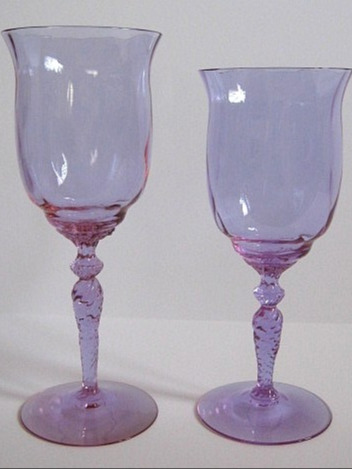
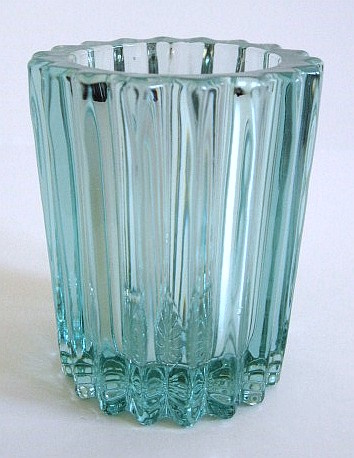
While the Great Depression caused many U.S. glass companies to close, declare bankruptcy, or shift to automated production, Heisey weathered the financial challenges quite well.
The repeal of Prohibition in 1933 was a boon to glass companies like Heisey, allowing them to expand their production of stemware and barware. Many Martinis, Sidecars, and Daiquiris were shaken, not stirred, in Heisey’s No. 4225 Cobel cocktail shaker and served in Heisey cocktail glasses during the hard times of the Depression and as the specter of war loomed later in the decade.
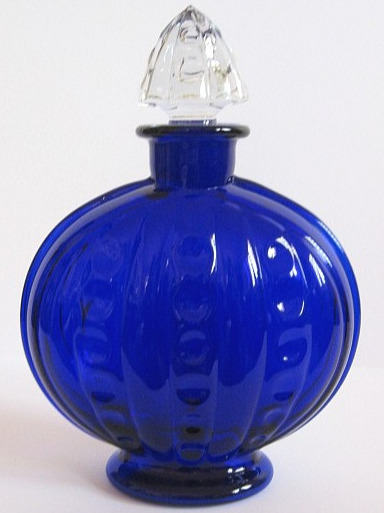
Three new colors were introduced: Tangerine (vivid orange) in 1932; Cobalt (dark blue) in 1933, and Zircon (pale turquoise) in 1937.
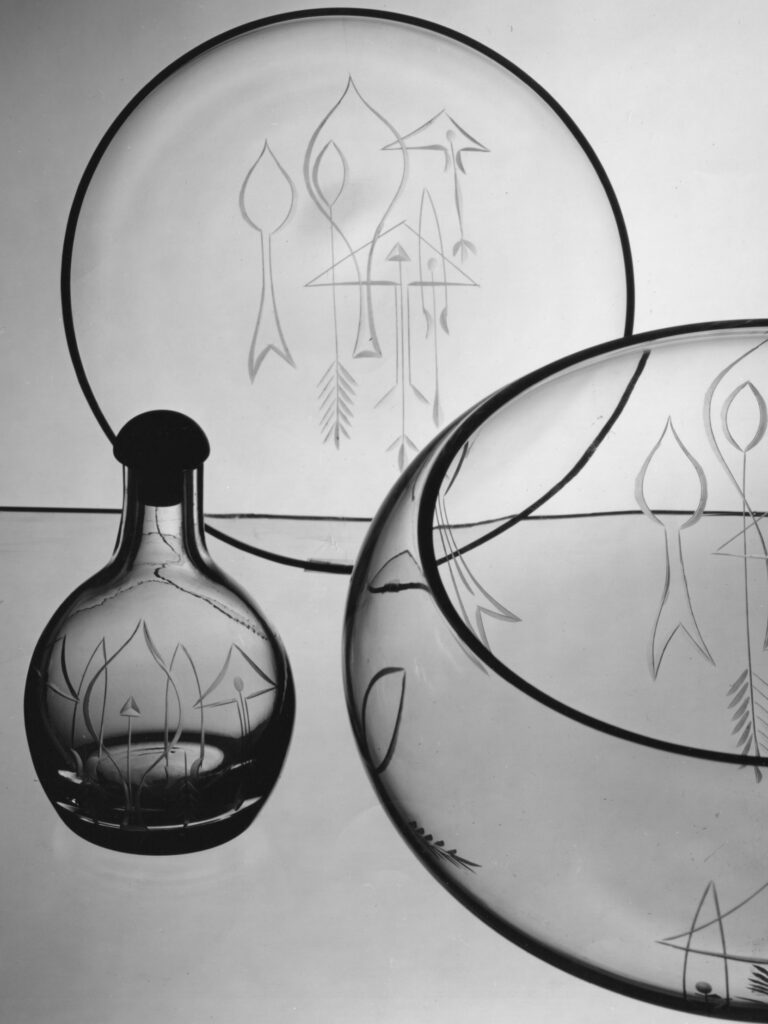
Deep plate etchings, matte etchings, and carvings were developed.
The company hired Emil Krall, Sr., formerly an engraver in the royal house of Emperor Franz Joseph of Austria, to reopen and expand the cutting shop. He designed hundreds of cuttings and developed a highly skilled staff.
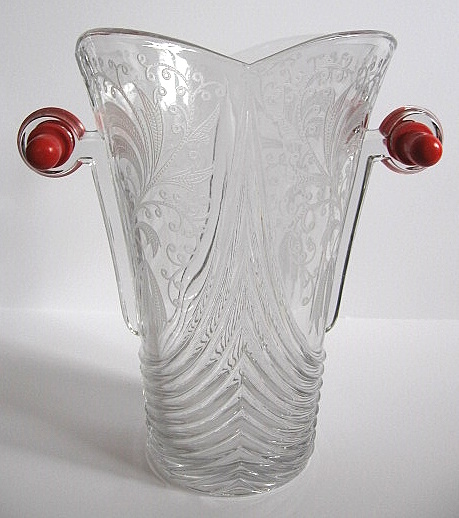
Internationally known designer Walter Von Nessen worked for Heisey on a freelance basis to develop several innovative patterns. One of them was the Art Deco-inspired No. 1483 Stanhope pattern that featured brightly colored plastic inserts in the handles of some pieces.
The company introduced glass patterns in a variety of styles, some traditional, some in the art moderne and art deco styles.
Heisey glass was included in exhibits at the Metropolitan Museum of Art in New York and the Brooklyn Museum.
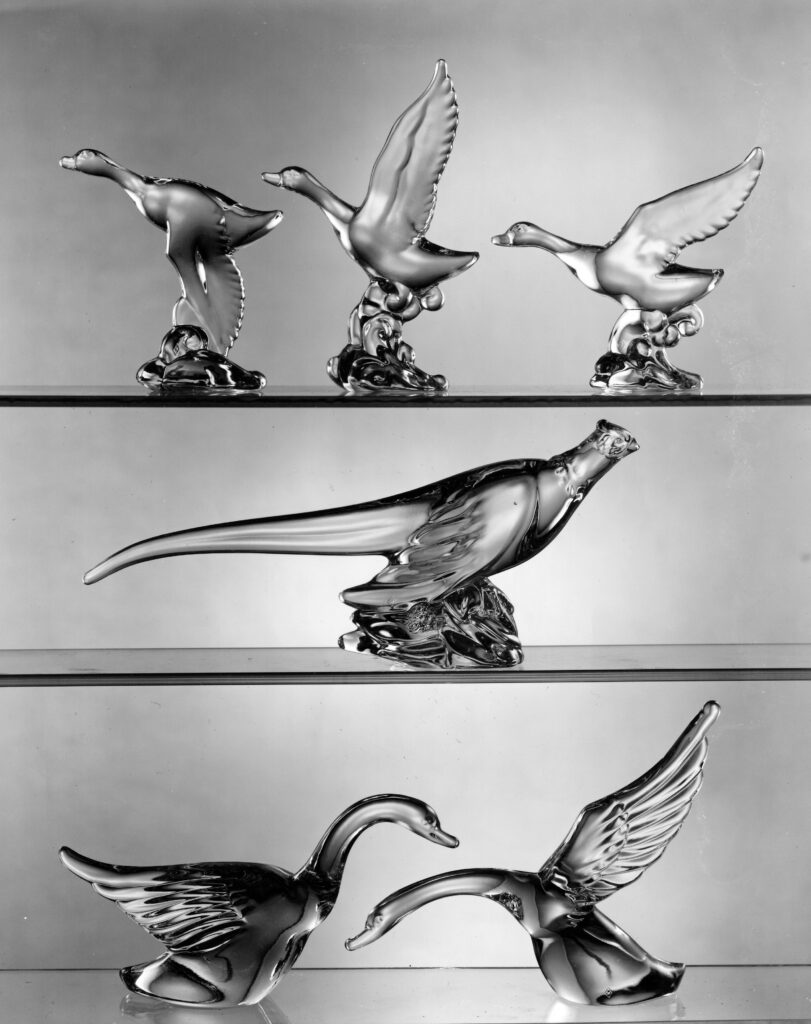
Heisey’s first glass animals were introduced in 1940, as was the company’s most popular etching, No. 507 Orchid, which was wildly popular and a top choice of brides for nearly two decades.
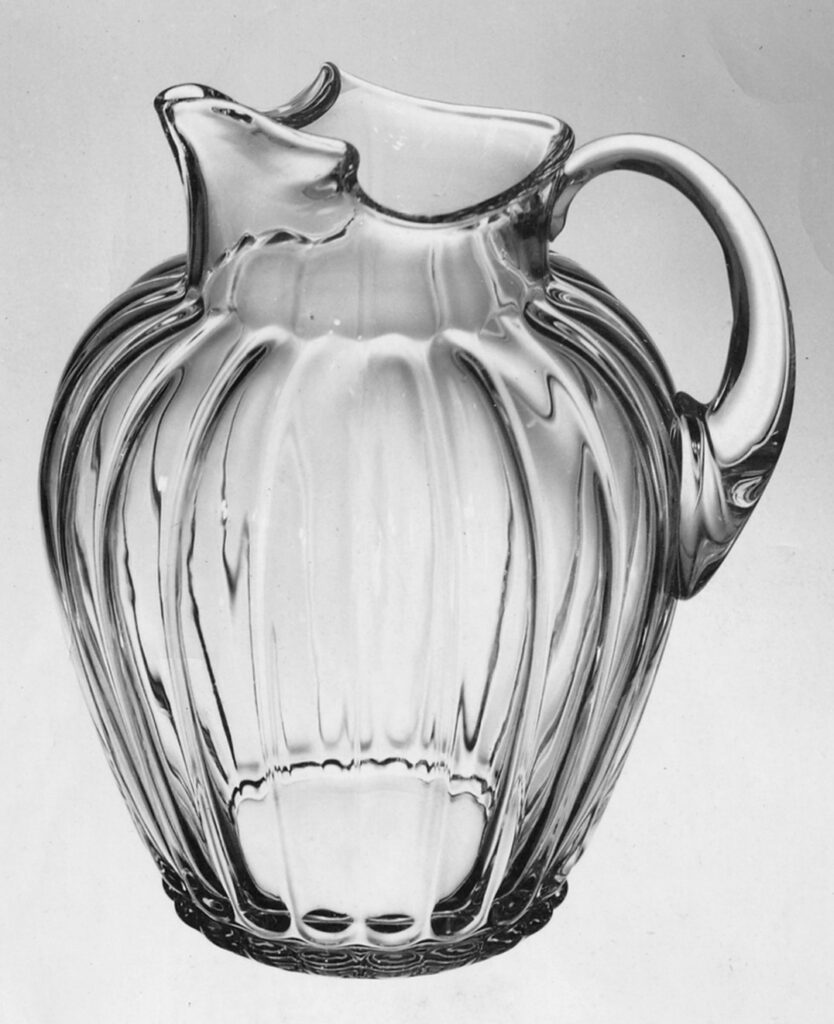
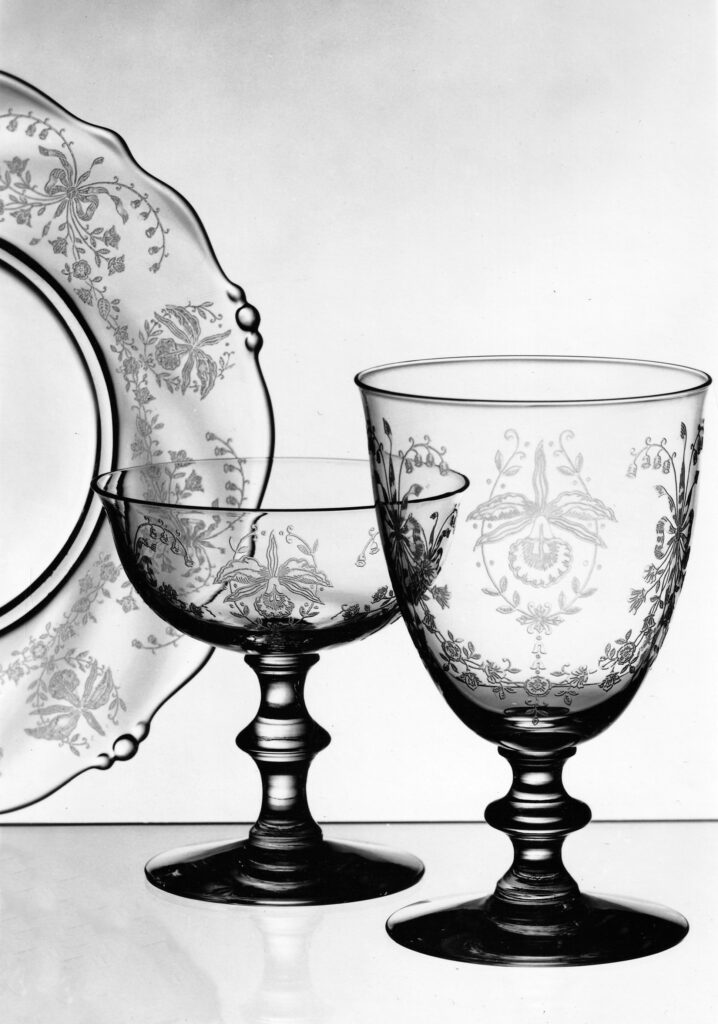
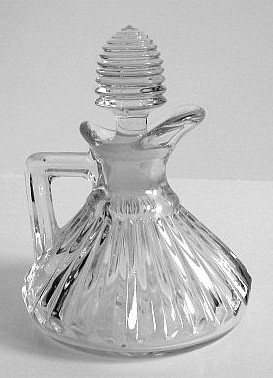
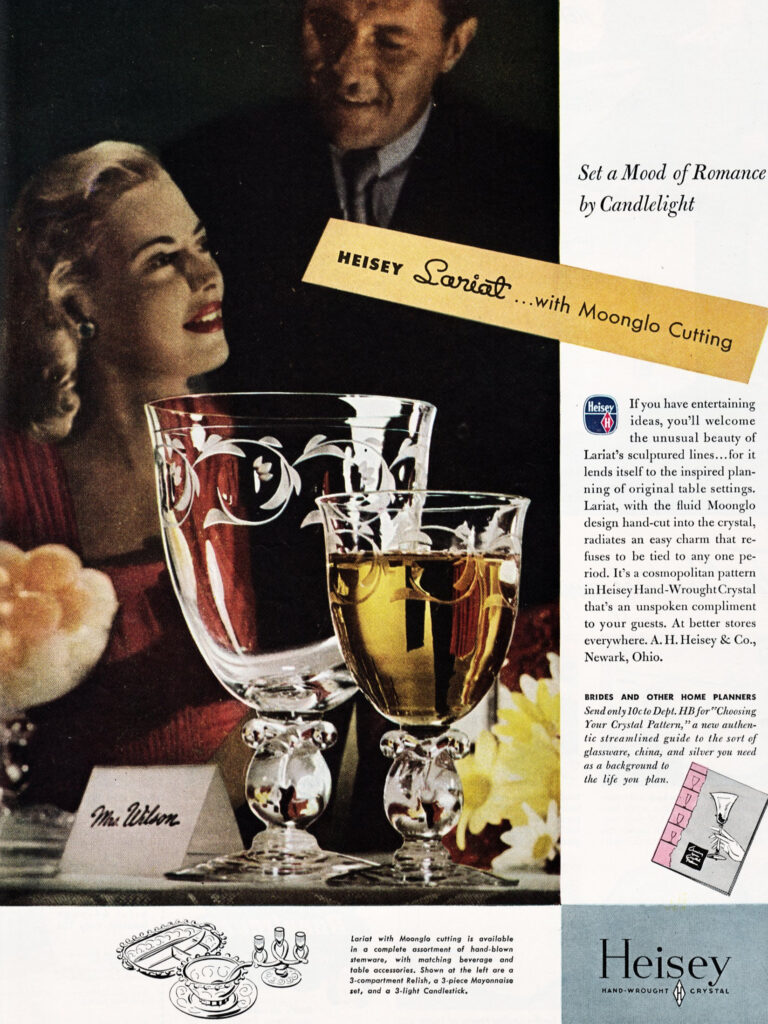
E. Wilson Heisey died in 1942 and T. Clarence Heisey took his place.
World War II impacted the company: there were shortages of manpower and materials, fewer patterns were developed, moulds for some discontinued patterns were used for scrap to help the war effort. In addition, Heisey developed glass gauges to substitute for steel gauges in measuring the diameters of rods and gun barrels, thus reserving high-quality steel for other war uses.
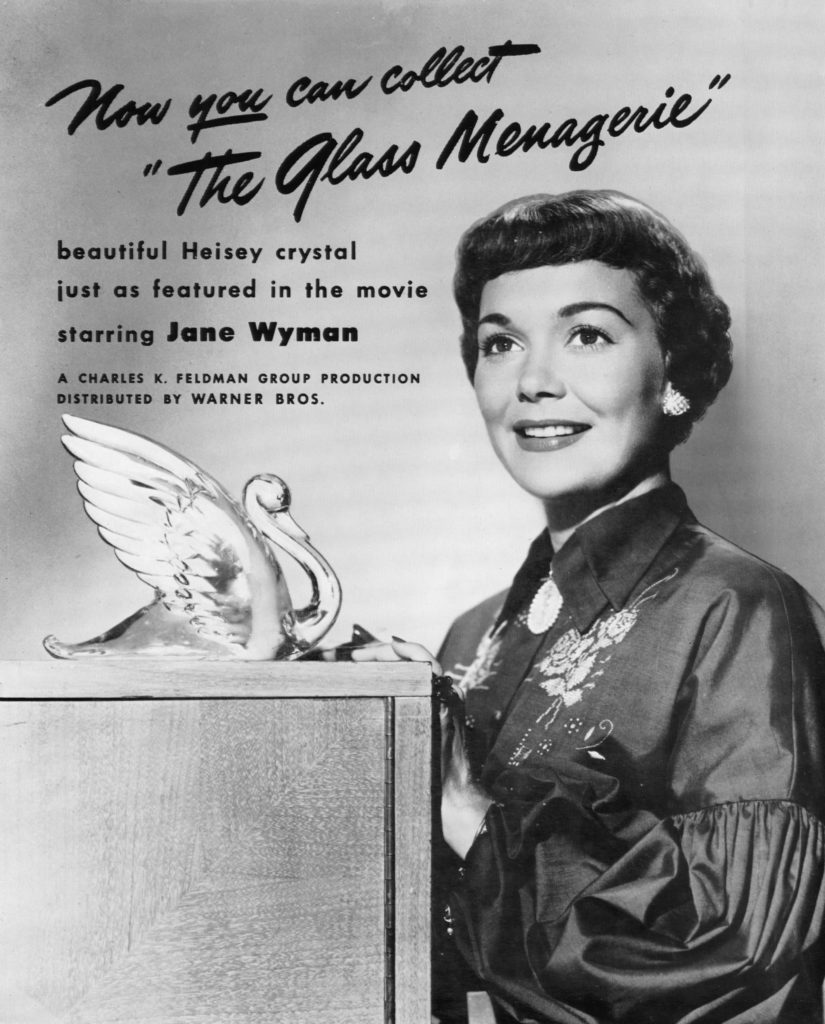
A number of glass animals were produced during this decade. Some were featured in the Broadway production of Tennessee Williams’ The Glass Menagerie and later in the film version.
The National Advertising Agency Network recognized the excellence of Heisey’s advertising campaign with several awards in 1947 and 1948.
Heisey glass was again included in an exhibition of outstanding American and European glassware at the Metropolitan Museum of Art in New York.
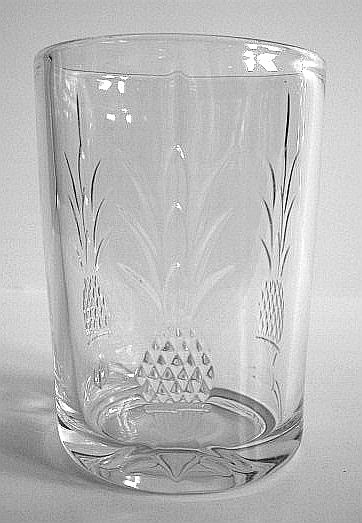
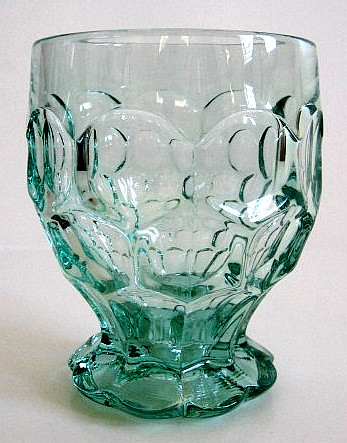
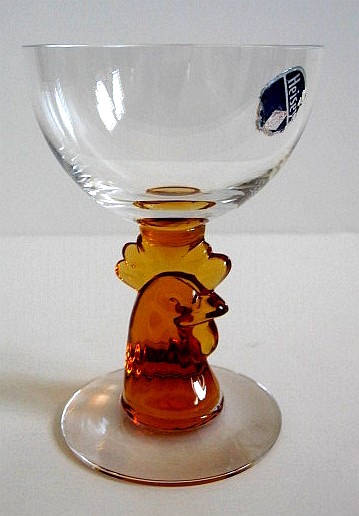
The 1950s were difficult for the glass industry as it contended with imports, machine-made glassware, and competition from plastic – the inexpensive alternative to glass. Many glass companies closed or were sold. However, Heisey worked hard to appeal to the consumer.
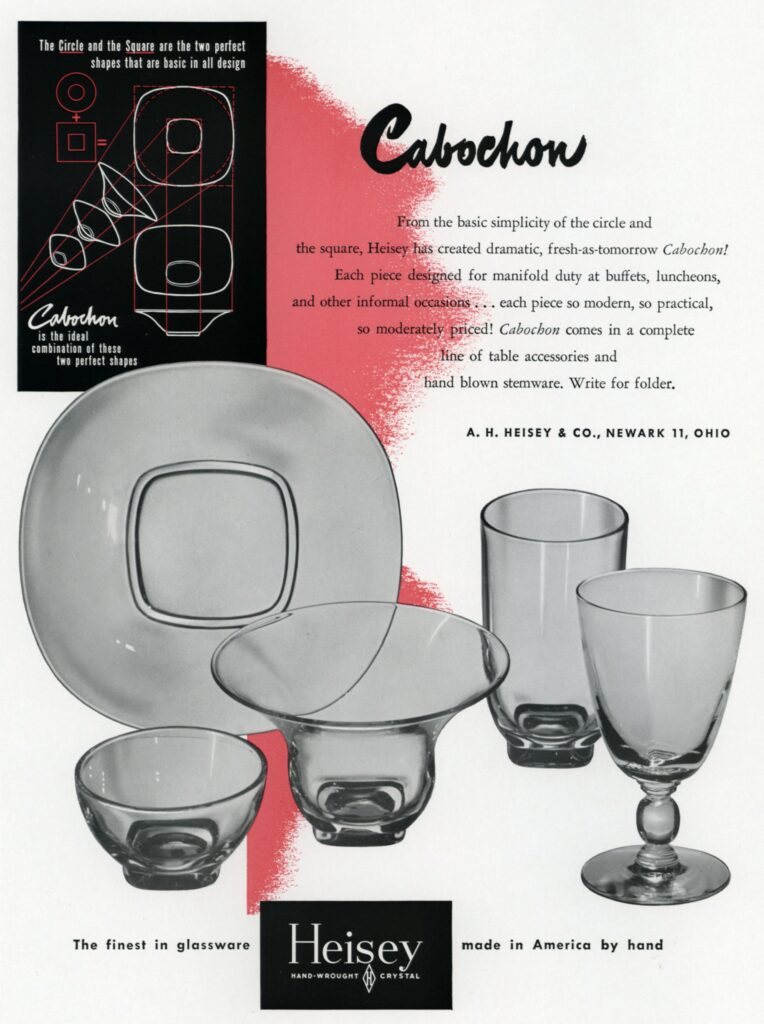
Several new patterns in the “Mid-century Modern” style were introduced to appeal to a contemporary market. One of them was the No. 1951 Cabochon pattern, evoking the look of the cabochon-cut gemstones popular at this time. Heisey also continued to produce traditional patterns, hoping to attract customers with more conventional tastes.
Heisey leased moulds of the 1931 Verlys line made in France to produce a number of Verlys by Heisey pieces.
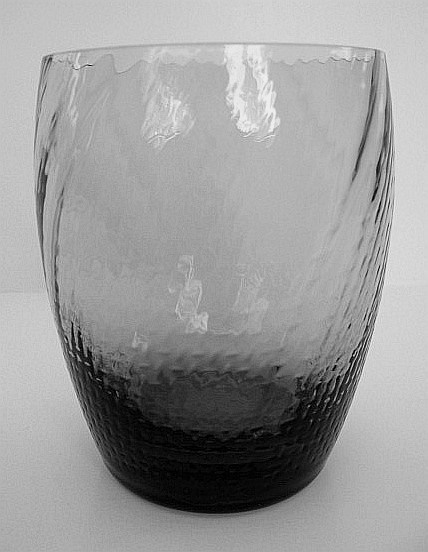
The color Sultana (Amber) was offered briefly, a charcoal gray color called Dawn was introduced, and a color very similar to Zircon was introduced as Limelight.
Heisey established a market research department to try to attract new customers.
Internationally known designer Eva Zeisel was appointed art director and worked on producing new concepts in glass. One of her designs won the Good Design award for 1955.
Heisey introduced its final new pattern in two versions in 1955 and 1956. Made only in Dawn, No. 1632 Lodestar was introduced in 1955. The same pattern made in Crystal was called No. 1626 Satellite and introduced in 1956. Two new stemware lines were also introduced that year, No. 1E92 Omega and No. 6010 Finesse.
Changing tastes, competition from machine-made glass, cheaper imports, the growth of plastics as an alternative to glass, and other factors led to the demise of many glass companies, including A. H. Heisey & Company.
The factory closed in December 1957 for the traditional holiday break and never reopened. Heisey’s moulds, tools, patents, copyrights, formulas and more were sold to Imperial Glass Company of Bellaire, Ohio, which produced Heisey by Imperial until it too closed in 1984.
The story of A.H. Heisey & Company is the story of one of America’s great industries. When A.H. Heisey founded his company in 1896, American glassmaking was preeminent in innovation and technical ability. For more than 60 years, Heisey was a leader in the industry, producing glassware that is still prized for its beauty and quality. When the company closed its doors, it was the end of an era for Heisey and a sad milestone in the decline of American glass manufacturing. Yet Heisey’s heritage of American craftsmanship lives on today at the Heisey Glass Museum.
To learn more about Heisey glass and how to research at the museum and online, click on the links below.